
Types of Bird Proofing Solutions: Mesh, Spikes, and Deterrents Explained
Many homeowners in Southern California search for ways to prevent birds from nesting on roofs, eaves, and solar panels. This article explains what bird-proofing solutions do, how mesh, spikes, and deterrents work, and why conditions in Southern California often make prevention necessary. Readers will learn where birds typically settle, what risks exist, and how physical barriers help reduce activity without harming birds.
What bird issues affect Menifee and Wildomar homes?
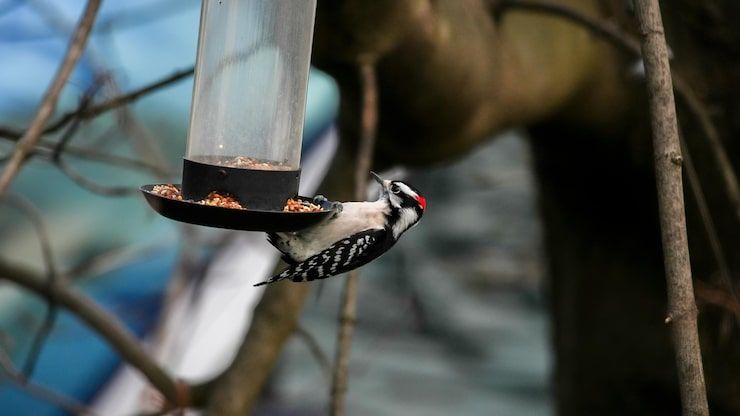
Bird activity is consistent through most of the year due to warm temperatures and accessible shelter around residential structures. Pigeons, sparrows, and swallows often use exterior ledges and panel shade as stable locations.
- Frequent perching on gutters, parapets, and balcony rails
- Nesting in shaded roofing gaps or behind utilities
- Droppings accumulating on solar surfaces and siding
Where do birds usually establish nests on residential structures?
Birds select covered or concealed areas that provide shade, minimal wind exposure, and stable footing. Homes with tile roofing, open eaves, and exposed utility openings allow easy entry.
- Roof-tile gaps and lifted shingles
- Attic vents and conduit cut-outs
- Under solar panels facing southern exposure
How does bird mesh prevent access?
Mesh functions as a barrier that closes openings where birds enter, but does not interfere with the structure's ventilation. It is positioned along edges or around equipment so birds cannot reach interior cavities.
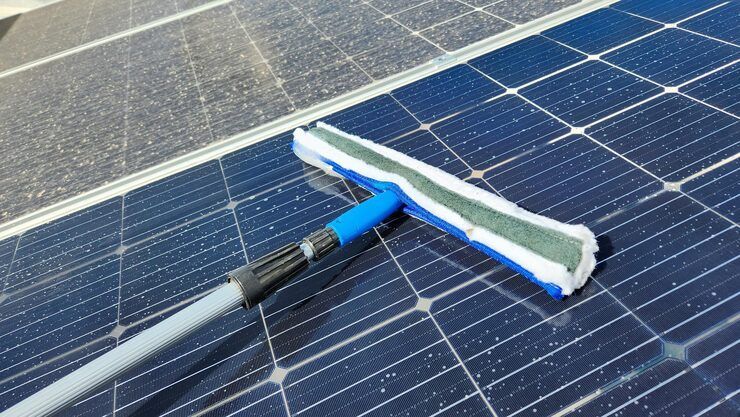
- Secures around solar panel frames to stop pigeon entry
- Installs over attic or gable vents to block sparrow nesting
- Suitable for perimeter sealing on eaves or beams
When are bird spikes an appropriate solution?
Spikes help when the problem is perching rather than internal nesting. They remove stable landing space along straight edges, which discourages larger birds from resting on high-use surfaces.
- Used on gutters, parapets, and ledges
- Designed with blunt tips rather than sharp points
- Most effective against pigeons and other large birds
How do deterrents support long-term control?
Deterrents introduce visual, sound, or surface cues that make a location less attractive, but they do not seal openings. They work best as supplemental tools near active roosting zones.
- Reflective or movement-based devices
- Scent or gel-based surface treatments
- Most useful before nesting occurs
How does the Southern California climate affect bird behavior?
Mild winters, longer daylight periods, and available food sources promote ongoing nesting and roosting cycles. Tile roofing retains heat, and solar arrays add protected shade, increasing habitat suitability.
- Fewer seasonal interruptions to nesting
- More persistent droppings accumulation
- Increased activity on elevated structures
What structural or maintenance risks come from bird activity?
Droppings can stain and corrode surfaces, while nesting can obstruct ventilation or drainage. Over time, accumulated debris increases cleaning requirements and may affect roof components.
- Blocked gutters or attic vent screens
- Dropping buildup near solar edges
- Parasite transfer from nesting material
When should a homeowner escalate to a professional evaluation?
Professional assessment is useful when nests occupy high or inaccessible spaces, when cleaning requirements exceed basic handling, or when exclusion involves multiple building features.
- Active nests that cannot be disturbed during breeding periods
- Need to remove droppings safely
- Large-scale sealing around solar or roofing features
Frequently Asked Questions
Do spikes harm birds?
No. Spikes are designed to remove footing and do not pierce or trap birds.
Can the mesh be seen from the ground?
It is typically installed close to structural edges and remains minimally visible.
Can deterrents work alone?
They help temporarily, but physical barriers produce more consistent exclusion.
Key Takeaway
- Mesh blocks entry into structural cavities.
- Spikes prevent perching along edges.
- Deterrents support prevention but are not a substitute for barriers.
A Final Thought
Year-round conditions in Menifee and Wildomar encourage birds to settle on roofs and sheltered exterior areas. Short-term deterrents assist, but physical exclusion is the most reliable way to stop access. Understanding locations and behaviors supports long-term prevention without unnecessary disruption.