
How Often Should You Schedule Solar Panel Cleaning for California Homes
California homeowners often ask how often to schedule professional solar panel cleaning. Solar Panel Cleaning services in Temecula, CA, for instance, typically suggest cleaning intervals based on local conditions. This article explains recommended cleaning schedules for California homes and covers factors, common pitfalls, and best practices for maintaining solar panel performance and efficiency.
Key Factors Affecting Cleaning Frequency
Local climate and environment determine how often solar panels should be cleaned.
- Rainfall: Frequent rain (e.g., in Northern or coastal regions) naturally washes panels and reduces the need for manual cleaning.
- Dust and pollutants: Arid or dusty areas accumulate grime faster; for example, Southern California deserts can require cleaning more often.
- Seasonal debris: Pollen, leaves, bird droppings, or wildfire ash can add layers of dirt; cleaning is often needed after these events.
- Panel orientation: Flatter or ground-mounted panels collect more dust and may need cleaning more frequently than steeply tilted roofs.
- Surroundings: Panels near highways, factories, or oceans may collect salts and particulates that call for extra cleaning.
Cleaning schedules should adapt to these local factors. For instance, homes with heavy pollen or near agricultural areas may need to be cleaned more often, while those in rainy climates can rely on natural rinsing. Monitoring panel performance and visual checks help determine the right schedule.
Recommended Cleaning Frequency
Most California homes benefit from cleaning solar panels about once or twice per year, with adjustments for local conditions.
- General guideline: clean every six months in dry, dusty climates.
- Seasonal schedule: Many installers recommend cleaning in spring and fall to remove pollen and summer dust.
- Rainy climates: if regular rain occurs, an annual cleaning often suffices, since rain can wash away loose dirt.
- Heavy-soil areas: homes near farms, deserts, or wildfire regions may need quarterly (4×/year) cleanings to maintain peak efficiency.
- Coastal homes: semi-annual cleaning helps remove salt spray and fog residue, often timed before high-use summer months.
- Performance check: a noticeable drop in energy output despite normal conditions usually indicates panels need cleaning.
These schedules are guidelines; homeowners should inspect panels and adjust as needed. Monitoring energy production can signal when cleaning is due. In all cases, following the installer or manufacturer recommendations ensures that cleaning frequency aligns with warranty requirements.
Cleaning Methods and Best Practices
Solar panels should be cleaned with gentle methods at safe times to avoid damage.
- Timing: Clean panels early in the morning or late afternoon when they are cool, avoiding midday heat to reduce thermal stress.
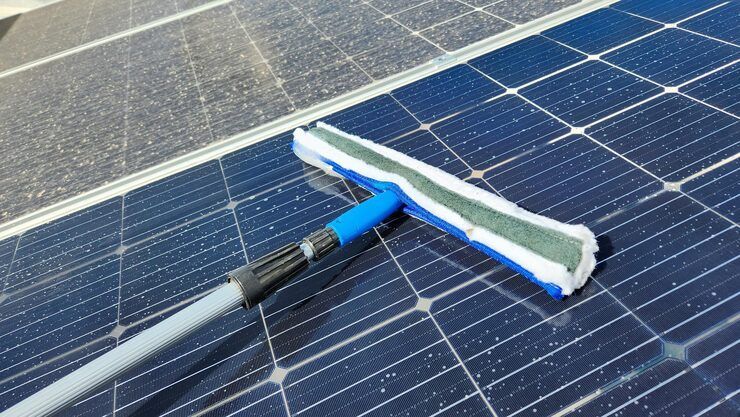
- Tools: Use a soft brush, cloth, or sponge with mild, pH-neutral soap; avoid abrasive pads or harsh chemicals.
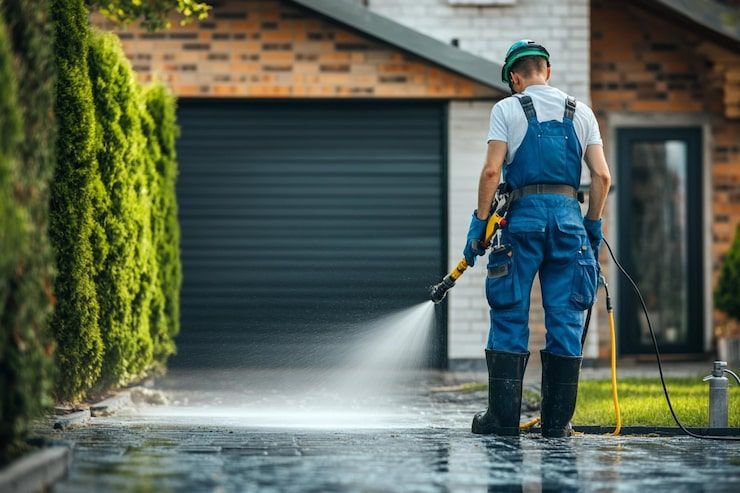
- Water use: Rinse panels with low-pressure water from a hose; never use a pressure washer or scouring pads, as they can crack glass.
- Power off: Turn off the solar system before cleaning to prevent electrical hazards.
- Residue: Rinse off all soap thoroughly and dry panels to prevent streaks or mineral deposits.
- Safety gear: Use sturdy ladders or extension poles, and wear non-slip shoes; never walk on panels or climb unsafely.
Following these practices helps avoid damage to panels. If panels have stubborn grime (like bird droppings or hard water stains), consider professional cleaning to avoid scratching the glass. Manufacturers generally advise using only approved cleaning methods to protect panel warranties.
Risks of Neglecting Cleaning
Neglecting solar panel cleaning leads to reduced efficiency and potential long-term damage.
- Efficiency loss: Studies report average soiling losses of around 9%, with heavily soiled panels showing 25% or more output reduction.
- Cementation: Prolonged dirt buildup can harden onto glass, making it very difficult to remove even with strong cleaning.
- Financial impact: Lower energy output means higher electricity bills and reduced return on investment.
- Panel wear: Debris such as bird droppings or acid deposits can etch glass or cause hot spots, which shorten panel lifespan.
- Warranty risk: Ignoring recommended maintenance can violate warranty terms, complicating any future claims.
- Prevention vs repair: Regular cleaning is far cheaper than compensating for lost energy or repairing damaged components.
Keeping panels clean is a preventive investment. Even modest efficiency gains from cleaning add up over a 20+ year system life. Homeowners should balance the small cleaning cost against the guaranteed production losses of dirty panels when planning maintenance.
Regional and Environmental Considerations
Local climate strongly influences panel maintenance, and inland California is typically much drier than coastal regions.
- Inland Southern California: Winchester and similar inland areas have hot, arid summers and low annual rainfall (~10–14 inches), causing heavy dust and pollen accumulation.
- Northern/coastal California: Frequent rain reduces dust, but salt spray and fog can leave residue that requires semi-annual cleaning.
- Wildfire smoke: Regions prone to fires often need panel cleaning after smoke and ash events to clear fine particles.
- Agricultural/pollution: Farms and highways can deposit chemical films or particulates on panels, so these installations might need more frequent cleaning.
- Local maintenance: In drier areas like Winchester, CA, homeowners often hire Solar Panel Cleaning services in Winchester, CA, for scheduled cleanings aligned with seasonal conditions.
Because California’s conditions vary widely, homeowners should tailor cleaning schedules to local weather patterns. Consulting regional solar maintenance experts can help determine optimal timing (for example, after dust storms or pollen season) to keep panels operating efficiently.
Cost and Scheduling Considerations
Budget and scheduling also influence how often solar panels are cleaned.
- Service cost: Professional cleaning typically costs about $100–$350 per visit for a residential system, depending on system size and roof access.
- DIY cost: Cleaning yourself saves labor fees but requires personal time, equipment, and managing safety.
- Water use: Frequent cleaning uses water, so some homeowners time cleanings with permitted watering windows or hire systems that recycle water.
- Bundling: Many plan solar cleaning alongside other home maintenance (gutters, windows) to make the most of contractor visits.
- Benefit vs cost: Cleaning more often yields diminishing returns; homeowners should compare cleaning costs against expected energy gains.
- Scheduling: Many choose spring and fall cleanings by default, adding mid-year cleanings only if panels show significant soiling.
This planning ensures a balance between maintenance costs and energy production. A modest annual cleaning budget often pays for itself in preserved solar output, making a twice-yearly schedule reasonable for most California systems.
In summary, California homeowners should schedule panel cleaning based on local dust and rainfall patterns to maintain system efficiency. Local maintenance companies such as Clear Choice Cleaning recommend tailoring cleaning frequency to each home’s climate and soiling risk. This approach helps maximize solar output while avoiding unnecessary maintenance.
Frequently Asked Questions
How often should I clean my solar panels in California?
Most California homes clean their panels about once or twice per year. In dry, dusty regions (like much of Southern California), cleaning every 6 months is common, whereas rainier areas may only need an annual cleaning. Adjust the schedule if you notice heavy dust or pollen build-up.
Can rain keep my solar panels clean?
Rain can wash away loose dust, but it often leaves mineral spots and doesn’t remove sticky grime (pollen, sap, salt, bird droppings). Experts say rain alone isn’t enough for a thorough clean, so periodic manual washing is still recommended.
How do dirty panels affect performance?
Dirt and debris block sunlight and reduce output. Studies show average soiling losses of around 9%, with very dirty panels losing ~25% or more of their efficiency. Over time, dirty panels consistently produce less energy, raising your electricity costs.
Is it safe to clean solar panels myself?
You can safely clean panels with proper precautions: clean during cooler hours, use a secure ladder or pole, and turn off the system first. Use gentle tools (soft brush and mild soap) and avoid dangerous methods. On steep or high roofs, professional cleaners are safer and more experienced.