
Why Bird Proofing Services Are Essential for California Homes
Bird-proofing services in places like Wildomar, CA, are critical for protecting California homes from pest-bird damage and health risks. Homeowners should understand common bird problems and effective solutions. This article explains what to expect from Bird Proofing in Menifee, CA, including typical issues, deterrent methods, cost considerations, maintenance requirements, and legal guidelines to help homeowners make informed decisions.
Risks and Consequences of Bird Infestations in Homes
Unmanaged bird infestations can pose health hazards and cause extensive property damage.
- Disease transmission: Bird droppings and nests harbor dozens of pathogens (histoplasmosis, cryptococcosis, psittacosis, etc.) that can become airborne and infect people.
- Corrosive droppings: The uric acid in bird guano (pH ~3.5–4) gradually erodes roofing, siding, stone, metal, and paint.
- Clogged systems: Nests and debris block gutters, downspouts, or vents, leading to water leaks and even fire hazards if dry nesting material ignites.
- Secondary pests: Mites, ticks, fleas, and other parasites breed in old nests and can spread into homes.
- Clean-up costs: Accumulated droppings create unsanitary conditions and liability (slip hazards) and raise maintenance bills (cleaning, disinfection, repairs).
Bird problems left unchecked can thus degrade a home’s integrity and value, making early prevention far less costly than later remediation.
Common Pest Bird Species and Behaviors in California
Several bird species often become nuisances around California homes.
- Pigeons (rock doves): “City” birds that roost on eaves, roofs, and ledges, leaving heavy droppings and nesting debris. They thrive in urban/suburban areas year-round.
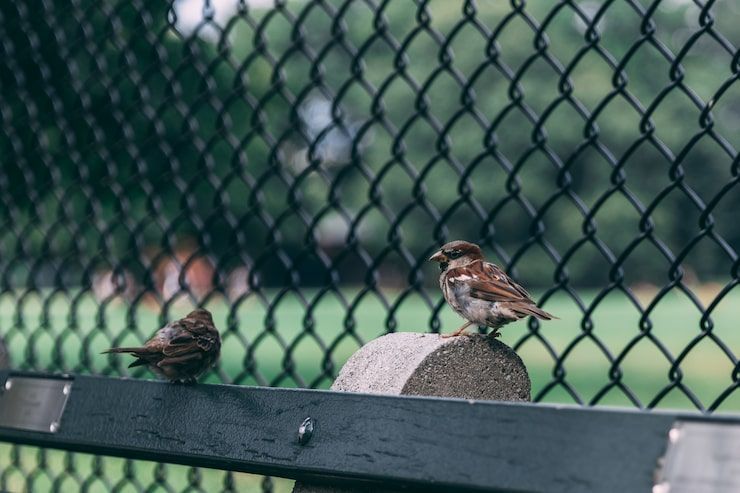
- House Sparrows: Small, aggressive birds that nest in vents, attics, and wall cavities, often crowding out native species.
- European Starlings: Large, noisy flocks that can overwhelm rooftops and yards. They deposit many droppings and build nests in attics or vents.
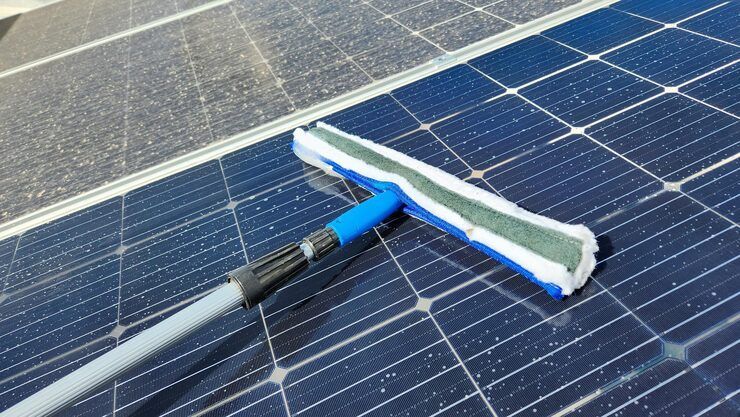
- Seagulls: Common near the coast; scavengers that nest on flat roofs or chimneys, leaving droppings on patios, cars, and solar panels. They can be aggressive around food.
- Crows: Smart birds that often nest in trees but forage in groups for garbage and crops, scattering debris. Their communal behavior means sudden, large flocks can appear.
- Others: Woodpeckers may drill holes in siding (protected species in many cases), and swallows build mud nests under eaves (removing active nests is often illegal). Seasonal behaviors (migration or breeding) also affect when and where these birds appear. Understanding which species are present helps in choosing suitable deterrents and timing preventive actions.
Preventive Strategies for Bird Control
Effective prevention makes homes less attractive to pest birds.
- Remove food sources: Keep trash bins sealed and clean; do not feed birds or leave pet food outdoors. Pick up fallen fruits, birdseed, or open compost that attract birds.
- Exclude nesting sites: Seal openings in attics, vents, and chimneys with hardware cloth or caps. Install mesh over vents and fix gaps in eaves and soffits.
- Visual and sound deterrents: Hang reflective tape, use decoys (fake owls/hawks), or play distress calls to scare birds away temporarily. Note that effectiveness may decline as birds habituate.
- Trim vegetation: Prune tree branches and tall shrubs near the roof to eliminate perches and access to eaves.
- Maintain sanitation: Remove any old nests (outside breeding season) and clean droppings promptly. Keep gutters clear and downspouts debris-free. A clean environment discourages return visits.
- Habitat adjustment: Remove standing water sources or relocate bird baths away from the house. Cover rain barrels or ponds that attract birds.
Starting these measures in late winter or early spring (before nesting season) is most effective. Consistency is key – combining multiple strategies (e.g., exclusion plus deterrents) yields better results.
Bird-Proofing Methods and Deterrents
Bird-proofing uses physical barriers and deterrents to exclude birds humanely.
- Bird netting: Heavy-duty mesh (polyethylene or nylon) installed over open areas (attics, balconies, under solar panels) creates a reliable exclusion barrier. Properly installed UV-resistant netting can block birds for 10+ years. It keeps birds out of covered spaces, but must be taut and secure to prevent gaps.
- Spikes and wires: Pointed strips (plastic or stainless steel) fixed on ledges, parapets, and roof edges make perching impossible. Plastic/polycarbonate spikes are easier to install and less visible, while stainless spikes last longer. Thin tension wires (e.g., low-profile shock tracks) can also deter landing by delivering a harmless static shock. These methods block many species without harming them.
- Coils and tracks: Spiral coils (e.g., Bird Coils) or wire strips can surround narrow ledges. Electrified tracks (low-voltage) are used on visible edges or signage to gently discourage roosting without damaging building aesthetics. These solutions blend into architecture.
- Repellent gels/paints: Sticky or bitter gels applied on surfaces make roosting uncomfortable. Approved products deter birds via smell or taste. They require annual reapplication and can collect dust, so maintenance is needed.
- Reflective and ultrasonic devices: Mirrors, balloons, or reflective tape flutter in the wind to scare birds. Ultrasonic sound emitters and recorded predator calls can help. These are often less reliable long-term, as birds grow accustomed to them. Use them as supplements, not sole solutions.
- Example – Menifee, CA: In areas like Menifee, bird-proofing often includes UV-resistant netting and slim spikes to suit the sunny climate and local architecture. Local providers tailor materials (e.g., lighter netting to withstand sun exposure) and combine tactics (nets plus spikes) for year-round deterrence.
Each home’s needs differ by bird species and building layout. Professionals ensure that all vulnerable points (vents, roof peaks, soffits) are covered; partial fixes often fail as birds simply find another roosting spot.
Professional vs. DIY Bird-Proofing Approaches
Homeowners can attempt do-it-yourself fixes, but professional services offer more thorough, compliant solutions.
- DIY methods: A handy homeowner might install strip spikes on a few ledges, hang reflective tape, or tack up netting. These can deter small problems and save money up front. However, DIY coverage is often incomplete (missing hidden vents or attics), and improper installation may fail to exclude birds fully. Unsecured ladders or loose netting are safety hazards.
- DIY limitations: Inexperience can lead to mistakes like overlooking entry points, using the wrong materials (e.g., dissolving adhesives), or violating wildlife rules unknowingly. Protected nesting birds cannot legally be disturbed, so amateurs can inadvertently break laws by removing nests.
- Professional services: Experts conduct a detailed site inspection to locate all nesting and roosting areas. They custom-fit nets, spikes, or other barriers to the property and bird species. For example, professionals will seal attic gaps that a DIYer might miss. They also know local wildlife laws and only remove inactive nests, avoiding legal penalties.
- Added benefits: Pros offer safety (proper harnesses, respirators), disposal of waste, and guarantees. They can incorporate maintenance plans – returning seasonally to clear new debris and ensure devices hold up. This prevents recurring infestations.
- Cost trade-off: Hiring a professional costs more initially (often several hundred dollars or more) but can save money by preventing damage and repairs. DIY can be cheaper for minor tasks, but if birds return or problems persist, homeowners may end up spending more.
In practice, homeowners often combine approaches: they may DIY simple checks (remove feeders, seal small gaps) but call a specialist when birds persist. Professional involvement is especially advisable for large infestations, high roofs, or when the legality of bird removal is a concern.
Costs and Maintenance of Bird-Proofing Solutions
Investing in Bird Proofing services in Wildomar, CA, involves upfront costs and ongoing upkeep, but it often prevents higher expenses later.
- Service costs: Nationally, comprehensive bird-control services average around $500. Costs typically range from about $100 on the low end (for small jobs) up to $2,000 or more for extensive work. Inspection and assessment often cost $100–$250, while full exclusion (removing nests, netting, and cleanup) can reach the upper range.
- Price factors: The size and height of the home, the number of birds and nests, and the methods used all affect price. For example, installing netting on a large roof or complex solar array costs more than setting up spikes on a few ledges. Removing a nest from an attic might run $100–$300, whereas treating an entire roofline can be $200–$1,200, depending on difficulty.
- DIY vs. professional: DIY materials (netting, spikes) can be relatively inexpensive per foot, but quality systems and installation tools add cost. Professionals charge labor on top, which is the main expense. While DIY is cheaper short-term, it may require repeat fixes; pro work includes a one-time thorough job and sometimes warranties.
- Maintenance: Regular checks are essential. Bird netting is durable (often 10+ years of life under the sun) but should be inspected yearly for tears or sagging. Spikes require almost no maintenance, though they should be cleared of debris or dust. Sticky repellents need reapplication as directed. Budget for periodic upkeep to keep barriers effective.
- Long-term savings: Consider what damage you avoid. A single roof leak from a clogged gutter could cost thousands, making a $1,000 proofing job cost-effective over time. Likewise, keeping droppings off painted surfaces extends their life. Preventive proofing can pay for itself by preserving the home.
Bird-proofing installations typically take a day or two of work, but account for follow-ups. Plan for both the immediate expense and a small ongoing budget for inspections, ensuring the solution continues working.
Humane and Legal Considerations in Bird Control
Bird control must respect wildlife protections and use humane methods.
- Protected species: Many common birds (songbirds, raptors, waterfowl) are protected under federal and California law. It is illegal to kill or seriously harm these birds, or to remove active nests (with eggs/chicks), without special permits. For example, swallows, woodpeckers, and even house martins are covered.
- Legal compliance: Unauthorized nest removal or poisoning can lead to fines. Homeowners should use only approved exclusion techniques. Professionals are up-to-date on regulations (Migratory Bird Treaty Act, California AB 454, etc.) and schedule work accordingly. They remove only abandoned nests or exclude before nesting begins.
- Humane methods: Bird-proofing focuses on exclusion rather than harm. Netting and spikes deter birds physically without injury. Repellents on the market are non-toxic and only make surfaces uncomfortable. Electric track systems give a short, harmless shock that conditions birds to avoid an area. All these methods keep birds safe while protecting the property.
- Safety for people: Disturbing nests and droppings can expose people to pathogens (histoplasmosis, avian flu) and parasites. Professionals use masks, gloves, and hygiene practices when cleaning or dismantling nests. DIYers should also use caution and protective gear.
- Community impact: Proper bird-proofing prevents creating problems for neighbors. By controlling pests at one home, you avoid spreading birds (and their diseases) to the next. A neighborhood free of breeding colonies benefits everyone.
In summary, always prioritize non-lethal exclusion and follow local wildlife laws. Effective bird-proofing coexists with California’s rich birdlife, keeping nuisance birds out while leaving protected species unharmed.
Conclusion
Preventing bird infestations protects both home and health by addressing nesting and sanitation hazards. Homeowners must weigh options (DIY vs. professional), considering the local climate, infestation severity, and legal requirements. Clear Choice Cleaning emphasizes that combining physical barriers with regular maintenance provides durable, humane protection for California homes.
Frequently Asked Questions
Why is bird-proofing important for homes?
Birds can cause health and structural problems. Their droppings carry pathogens (over 60 diseases, e.g., histoplasmosis) and are acidic, corroding roofs, siding, and vehicles. Nests block gutters and vents, leading to leaks or fire hazards. Proofing prevents these costly damages and sanitary issues.
What birds commonly infest California homes?
The most common nuisance birds include pigeons, starlings, house sparrows, seagulls, and crows. Pigeons and starlings readily nest on buildings; sparrows occupy vents and eaves; seagulls nest on flat roofs (especially near the coast); crows forage in groups. Identifying the specific species (and their habits) helps in choosing effective deterrents.
How do professional bird-proofing services work?
Professionals first inspect for all nests and entry points. They then install exclusion barriers (netting, spikes, wires) over vulnerable areas. For example, UV-resistant netting may be used to cover open eaves for up to 10 years. They also seal vents and apply repellents or decoys. The goal is a comprehensive system that birds cannot penetrate.